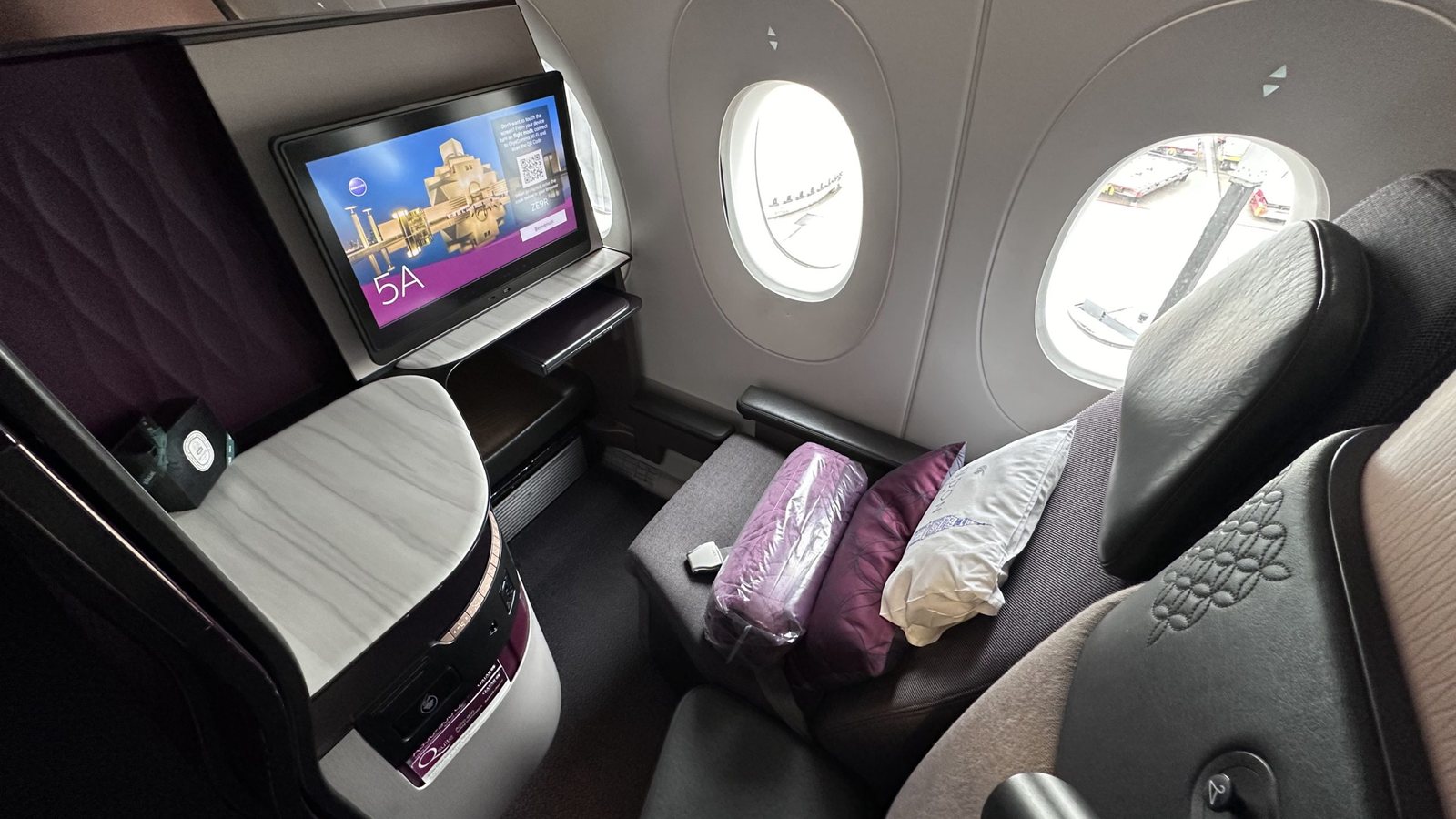
How points actually work
Airlines and banks want your loyalty, so they reward you with points. You earn them when you fly, and much faster when you spend on the right credit card. Then you swap the points for flights instead of paying cash.
The secret most people miss is that you don't need to fly a lot to collect a lot. In the UK, most points come from everyday card spending and welcome bonuses, not from flying. Put your normal spending on the right card, pay it off in full every month, and the points build up in the background.
Words you need to know
- Avios: the points used by British Airways, Qatar Airways, Iberia and Aer Lingus.
- Virgin Points: the points used by Virgin Atlantic.
- Transferable points: points like Amex Membership Rewards that you can move to different airlines and hotels when you're ready to book.
- Welcome bonus: a big lump of points you get for spending a set amount in your first few months with a new card.
- Reward flight: a flight you book with points instead of cash.
- Taxes and charges: the cash you still pay on top of the points for a reward flight.
- Off-peak: dates outside school holidays and busy periods, when reward flights cost fewer points.
- Reward Flight Saver: a British Airways option that caps the cash you pay on reward flights.
- Companion Voucher: a BA Amex perk that lets two people fly for the points of one.
Step 1: Set your goal
Decide where you want to go, roughly when, and who's coming. This shapes every choice that follows.
- A first taste of business class? A short flight to Europe in business class needs far fewer points than long-haul, and is a great first target.
- A big long-haul trip? Business class to the US, Asia or the Middle East needs more points, but it's where points give the most value.
- Flying as a couple? Keep the Companion Voucher in mind. It can halve the points you need.
Use the British Airways or Virgin Atlantic website to check how many points your dream route costs, so you know your target.
Step 2: Pick your points currency
For most UK beginners there are two good choices:
- Option A
- Amex Membership Rewards
- Option B
- Avios, earned directly
Amex Membership Rewards is the most flexible. Your points sit in your Amex account and you move them to Avios or Virgin Points at 1:1 when you're ready. If you're not sure which airline you'll fly, start here.
Avios is the easiest airline currency to use from the UK, especially from London. Collecting Avios directly with a BA Amex or Barclaycard Avios card also unlocks vouchers.
Step 3: Open the right first card
Your first card should have a welcome bonus you can reach with spending you already do, and fit your budget.
| Card | Annual fee | Welcome bonus | Best for |
|---|---|---|---|
| Amex Preferred Rewards Gold | Free year 1, then £195 | 20,000 points after £3,000 in 3 months | Most beginners |
| BA Amex Premium Plus | £300 | 30,000 Avios after £6,000 in 3 months | Couples who'll spend £15,000 a year |
| Barclaycard Avios Plus | £240 | 25,000 Avios after £3,000 in 90 days | The most Avios per pound |
Our suggestion for most beginners: the Amex Gold. No fee in the first year, a bonus you can reach with normal spending, and points that stay flexible. Read our full Amex Gold review, or see every option in our airline card guide.
Step 4: Earn the welcome bonus
This is where most of your first-year points come from. Spend the target amount within the deadline using only money you'd spend anyway.
- Move your food shopping, fuel, phone and subscriptions onto the card.
- Pay yearly bills, like insurance, on the card when they're due.
- Time planned big purchases, like a holiday, to fall in your first three months.
- Set a calendar reminder for the deadline.
- Set up a direct debit to clear the full balance every month.
Step 5: Keep earning every month
After the bonus, keep using the card for everyday spending. Every pound earns at least one point. Add easy extras on top:
- Book flights directly with airlines to earn double points on the Amex Gold.
- Add a partner as a supplementary cardholder so their spending counts too.
- Check Amex Offers in the app for bonus points at shops and restaurants.
- Refer friends who'd genuinely use the card.
Read our guide to the best ways to earn Amex points for more.
Step 6: Find the seat, then transfer and book
This is the order that saves people from the most common and costly mistake.
- Search for reward seats first. Look on the British Airways website for your route and dates. Try off-peak dates and be flexible.
- Check the total cost. Note the points and the taxes and charges.
- Compare with partners. The same trip can be cheaper in fees through Qatar Airways or Iberia.
- Only then move your points. Transfer from Amex to the airline programme you're booking with. Transfers can't be reversed.
- Book straight away, while the seat is still there.
Want to get even more from your points? Read the smartest ways to spend your Avios and see the best business class seats you can book with points.
What your first year could look like
- Month 1: open the Amex Gold and move your everyday spending onto it.
- Month 3: hit the £3,000 target. You now have around 23,000 points.
- Month 4: search for a short-haul business class trip to Europe on off-peak dates.
- Months 4 to 12: keep spending as normal. By the end of the year you could have 50,000 points or more, including the annual spend bonus if you reach £20,000.
- Year 2: aim for long-haul business class, or move to the BA Premium Plus to earn a Companion Voucher.
Every route and date is priced differently, so always check the exact points needed for your trip before you plan around these numbers.
Protect your credit score
- Pay in full, every month. Set up a direct debit for the full balance.
- Don't apply for lots of cards at once. Each application leaves a hard search on your credit file. Space them out.
- Check your eligibility first. Many card issuers offer an eligibility checker that won't affect your score.
- Keep your spending normal. Never borrow or overspend to chase points.
Beginner mistakes to avoid
- Collecting without a goal. Points are worth most when you spend them on something specific.
- Spending points on shopping or hotels by default. Flights usually give far better value.
- Moving points before finding a seat. Always search first.
- Booking peak dates. School holidays cost noticeably more points.
- Forgetting the taxes and charges. Budget for them on every reward booking.
Ready for your first card?
See the card we'd open first this month, and who it suits.
Frequently asked questions
How long does it take to get a first business class flight?
Many people can book a short-haul business class trip within a few months of opening their first card, mainly thanks to the welcome bonus. Long-haul usually takes longer, depending on how much you spend.
Is a reward flight completely free?
No. You pay with points instead of the fare, but you still pay taxes and charges in cash. Reward Flight Saver and partner airlines can help keep these lower.
Do I need to fly a lot to earn points?
No. In the UK, most points come from welcome bonuses and everyday card spending, not from flying.
Will this hurt my credit score?
An application adds a hard search, which can lower your score slightly for a short time. Paying in full on time and spacing out applications helps keep your score healthy.